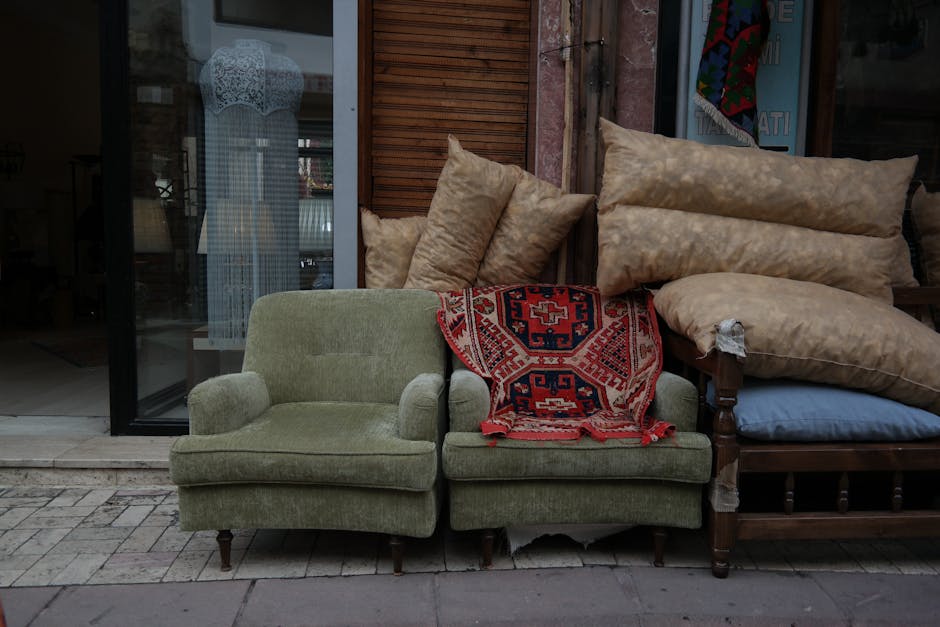
North End high street upholstery cleaning guide for shops
If you run a shop on or near the high street, upholstery cleaning can slip down the list until a customer notices a stubborn stain, a tired-looking chair, or that faint "shop smell" that seems to cling to fabrics by closing time. This North End high street upholstery cleaning guide for shops is here to make the job feel manageable, practical, and worth doing properly.
Clean seating, bench pads, waiting-area furniture, and fabric fixtures do more than look tidy. They shape first impressions, support hygiene routines, and help your space feel cared for. That matters whether you manage a busy retail unit, a salon, a boutique, a cafe with upholstered seating, or a service counter with customer chairs. Let's face it: people notice the little things.
Below, you'll find a clear walkthrough of how commercial upholstery cleaning works, what to expect, the common mistakes to avoid, and how to decide when a professional clean makes more sense than a quick wipe-down. There's also a practical checklist and a few useful links to related services and policies where they genuinely help.
Table of Contents
- Why upholstery cleaning matters for North End shops
- How the cleaning process works
- Key benefits and practical advantages
- Who this guide is for
- Step-by-step guidance
- Expert tips for better results
- Common mistakes to avoid
- Tools, resources and recommendations
- Law, compliance and best practice
- Options, methods and comparison
- Case study or real-world example
- Practical checklist
- Conclusion
- Frequently asked questions
Why North End high street upholstery cleaning guide for shops Matters
Shops are judged quickly. Sometimes in seconds. A customer glances at a waiting chair, a fabric stool near the till, or a lounge area by the fitting rooms, and forms an opinion before anyone says hello. Upholstery is one of those background details that quietly shapes the whole customer experience.
On a high street, your furniture takes a beating. Footfall brings in dust, grit, moisture, food crumbs, makeup, rainwater, and the occasional mystery mark that appeared out of nowhere. Fabric seats in particular absorb everyday grime in a way hard surfaces simply do not. You may not see the build-up all at once, but you will notice it eventually: dull colour, flattened fibres, lingering odours, and a general "well-loved" look that stops feeling charming.
For shops in North End, that matters because presentation is part of trade. A clean interior can support confidence, encourage people to stay longer, and help staff work in a more pleasant environment. Even when the furniture is not the star of the show, it still influences the mood of the room. Quietly, but strongly.
There is also a practical side. Fabrics that are regularly maintained are easier to keep in good condition, and problems are often simpler to solve early than after months of build-up. A freshen-up every so often is usually easier than trying to rescue a heavily neglected seat later on.
Expert summary: Upholstery cleaning for shops is not just about appearance. It supports hygiene, protects customer experience, and can help your furniture last longer when it is scheduled sensibly rather than left until it looks rough.
How North End high street upholstery cleaning guide for shops Works
Commercial upholstery cleaning usually starts with a fabric assessment. That sounds formal, but it is really just a sensible check of what the item is made from, how dirty it is, and what kind of treatment it can tolerate. Cotton blends, synthetics, velvet-style fabrics, and leather-look materials all need different handling. One approach does not fit all. Truth be told, that is where many quick DIY jobs go sideways.
A professional clean normally includes dry soil removal, spot treatment, the main cleaning stage, and controlled drying. Depending on the fabric and the stain type, the cleaner may use low-moisture methods, hot water extraction, dry compound cleaning, or specialist stain work. The goal is to remove grime without over-wetting the upholstery or leaving residue behind.
In a shop setting, timing matters too. Many businesses prefer cleaning outside peak trading hours, after closing, or early in the morning before the first customer arrives. You want minimal disruption, low slip risk, and enough drying time so furniture can be used again safely. A damp seat on a busy Saturday is not ideal, to put it mildly.
If your premises also need fabric maintenance beyond upholstery, it can be worth looking at related commercial services such as commercial carpet cleaning, curtain cleaning, or steam carpet cleaning. Shops with mixed soft furnishings often benefit from treating the whole environment as one system rather than a set of disconnected jobs.
Key Benefits and Practical Advantages
For a shop owner or manager, the main benefit is simple: cleaner-looking furniture helps the whole premises feel more professional. But the value runs a bit deeper than that.
- Better first impressions: Customers tend to trust a place that looks cared for.
- Improved comfort: Staff and visitors are happier sitting on fresh, clean seating.
- Odour control: Fabric traps smells, so cleaning can help reduce stale or musty notes.
- Longer upholstery life: Removing grit and oily build-up can slow wear.
- More workable maintenance: Regular cleaning often prevents stains from becoming permanent.
- Better brand feel: A neat interior supports the image you want people to associate with your business.
There is also a subtle operational advantage. When upholstery is kept on a planned maintenance cycle, cleaning becomes predictable. You can schedule around quieter trading periods, budget more sensibly, and avoid panic cleans before visits, inspections, or seasonal rushes. That alone takes a lot of pressure off.
For businesses that care about the broader environment, it can be useful to consider how cleaning fits into waste reduction and fabric longevity. The website's recycling and sustainability approach is relevant here because good maintenance can support the idea of keeping furnishings in service for longer rather than replacing them early.
Who This Is For and When It Makes Sense
This guide is for any North End high street business with upholstered furniture or fabric fixtures that customers or staff regularly use. That includes retail shops, salons, clinics, estate agents, cafes, small offices with waiting areas, and service businesses with lounge seating.
It makes sense to arrange upholstery cleaning when you notice any of the following:
- Visible staining or marks that have not lifted with routine spot cleaning
- Fabric looking dull, flattened, or patchy
- Persistent smells, especially around heavily used seating
- Recent spills, food accidents, or customer-related damage
- Seasonal refreshes, stock launches, or refurbishments
- Complaints from staff or customers about appearance or odour
It also makes sense if you are trying to make a small space feel more polished without replacing furniture. A professional clean can be a cost-aware way of improving the room. Not magic, of course. If a seat is torn, sagging, or structurally worn, cleaning will not fix that. But if the problem is dirt, dust, or general dullness, the improvement can be surprisingly noticeable.
Shops with a lot of customer contact may also want related stain support. If the issue is more specific, the stain removal service may be useful, while seating with pet-related contamination or smells can require more targeted treatment such as pet stain odour removal.
Step-by-Step Guidance
If you want to approach upholstery cleaning sensibly, this is the practical route. No drama, just a good process.
-
Identify the items that need attention.
List chairs, stools, benches, waiting seats, footrests, and any fabric panels or soft furnishings in customer-facing areas. It helps to prioritise the most visible or most used pieces first.
-
Check the fabric type and condition.
Look for care labels, existing damage, loose stitching, discolouration, or fraying. If the fabric is delicate, aged, or previously treated, that changes the cleaning approach.
-
Test for problem spots.
Work out whether the issue is general soiling, food and drink staining, ink, oil, makeup, foot marks, or odour. Each one behaves differently. Coffee is one thing. Chewing gum is another. And some stains seem to have a personal grudge.
-
Choose the right cleaning method.
For many shop fabrics, low-moisture or hot water extraction methods are common. But the best method depends on the item and the risk of shrinkage, colour run, or slow drying.
-
Prepare the space.
Move nearby stock if needed, protect vulnerable surfaces, and make sure staff know which areas are out of use. In a small shop, that bit of organisation prevents a lot of awkwardness later.
-
Clean carefully and control drying.
Good cleaning is not just about applying product. It is about removing it properly, limiting moisture, and making sure the furniture dries evenly. Fans, ventilation, and sensible scheduling all help.
-
Review the result and plan upkeep.
Check for remaining marks, any faint odours, or areas that may need a second treatment. Then set a realistic maintenance interval so the next clean is easier.
If you want a broader maintenance plan for your premises, it is worth keeping upholstery cleaning aligned with general fabric care. A shop that also has fabric window dressings may benefit from curtain cleaning, while seating areas with mixed flooring nearby can be maintained alongside carpet cleaning.
Expert Tips for Better Results
A few small decisions make a big difference. In our experience, the shops that get the best results are usually the ones that do the basics properly rather than chasing a miracle product.
- Act fast on spills. Blot, don't rub. Rubbing tends to push the mark deeper into the fibres.
- Use the right amount of moisture. Over-wetting is one of the quickest ways to cause problems with drying and texture.
- Keep a simple incident log. If a sofa gets stained every Friday near the coffee machine, you can predict where to inspect first.
- Clean high-touch areas more often. Armrests, headrests, and front edges usually show wear first.
- Match the method to the fabric. Delicate fabrics often need gentler treatment. It sounds obvious, but it gets ignored a lot.
- Schedule around trading hours. A calm clean, with time to dry, is nearly always better than a rushed one.
One small but useful habit is to take a quick photo of the furniture before and after the clean. Nothing fancy. Just a simple record for your own planning. It helps you spot patterns in wear and decide whether the next clean should be sooner, later, or more targeted.
If you are comparing upholstery treatment with other furnishings, a professional shop clean may also involve sofa cleaning for seating-heavy areas or rug cleaning where decorative floor textiles are part of the customer space.
Common Mistakes to Avoid
Most upholstery problems do not come from one big mistake. They come from several small ones piled together. A little too much spray here, a bit of rubbing there, and suddenly the mark is larger than before. Annoying, yes. Common, also yes.
- Using random household cleaners: Shop fabrics can react badly to products not meant for commercial upholstery.
- Scrubbing stains aggressively: That can spread the stain or damage the weave.
- Ignoring drying time: Damp upholstery can feel uncomfortable and may create an odour issue.
- Cleaning only what is visible: Surface marks are just the beginning; embedded dirt is often what makes furniture look tired.
- Waiting too long: Old stains and deep grime are tougher to shift.
- Forgetting hidden touchpoints: Chair backs, side panels, and cushions can collect far more soil than people realise.
Another mistake is treating every stain as if it needs the strongest possible product. Sometimes the gentler route is the smarter one. Harsh treatment can leave rings, colour changes, or residue that attracts dirt faster next time. That's the sort of thing you only want to learn once.
Tools, Resources and Recommendations
You do not need a mountain of kit to keep upholstery in better condition, but a sensible basic setup helps. For in-house spot maintenance, shop teams usually benefit from:
- Microfibre cloths for blotting and light surface wiping
- A soft brush for dry soil removal
- Protective gloves for spill handling
- Clear incident labels or simple cleaning notes
- A vacuum with upholstery attachments
- Access to a suitable, fabric-safe spot treatment
For deeper maintenance, many businesses choose a professional service because specialist equipment can clean more evenly and dry more efficiently. If you are requesting a quote, the page on pricing and quotes is the natural starting point for understanding how a job may be assessed. That is usually based on fabric type, number of items, stain complexity, access, and timing.
It is also worth checking practical trust information before booking. The business's insurance and safety page and health and safety policy are relevant for commercial premises where you need to think about access, working hours, and safe operation around staff and customers.
For businesses concerned with booking confidence and payment handling, the payment and security page and terms and conditions can be useful reading before any arrangement is confirmed.
Law, Compliance, Standards, or Best Practice
This kind of cleaning does not usually involve complex legal rules for the shop owner, but it does sit inside normal UK workplace and customer-safety expectations. In practice, that means keeping the premises reasonably safe, planning cleaning so it does not create slip hazards, and making sure products and procedures are suitable for the environment.
If staff or a contractor are working on site, best practice is to think about:
- Clear access routes while cleaning is underway
- Warning signs or barriers where floors may be damp
- Ventilation during and after cleaning
- Proper handling of cleaning products
- Protecting stock, displays, and electrical items nearby
For shops with public access, safety and care matter just as much as appearance. That is why scheduling and communication are so important. A quick message to staff, a short note in the diary, and a little planning around opening hours can prevent a lot of avoidable disruption.
If sustainability is part of your decision-making, you may also want to think about product choice, water use, and extending the life of existing furnishings. That is where a careful maintenance plan can support a wider business approach rather than sitting off on its own.
Options, Methods, or Comparison Table
Different upholstery-cleaning approaches suit different shop environments. Here is a simple comparison to help you think clearly before booking a service or tackling a spot clean in-house.
| Method | Best for | Strengths | Watch-outs |
|---|---|---|---|
| Light in-house spot cleaning | Fresh spills, minor marks, routine upkeep | Fast, low disruption, good for immediate response | Limited on deep soil; easy to over-treat a stain |
| Low-moisture professional cleaning | Regular commercial maintenance, busy shop seating | Quick drying, more controlled, suitable for frequent use | May not suit every stain type or fabric finish |
| Hot water extraction | Heavier soiling, embedded grime, deep refreshes | Thorough cleaning, effective on many common dirt types | Requires care with drying time and fabric suitability |
| Targeted stain treatment | Ink, drink spills, stubborn localised marks | Focused on the specific problem area | Needs accurate stain identification and proper technique |
As a rule of thumb, routine maintenance is best handled before damage becomes obvious, while deeper cleans are more efficient when planned in advance rather than left as a reaction to complaints. If your whole customer area needs a general refresh, commercial upholstery work is often best considered alongside upholstery cleaning as part of a broader fabric-care schedule.
Case Study or Real-World Example
Here is a realistic example from a small high-street shop setup. A boutique with two fitting-room chairs, a small waiting bench, and a pair of fabric stools near the till had started to look a bit worn, especially around the seat edges. Nothing dramatic, just that sort of greyed-over look that happens gradually. A few staff had noticed customers wiping their hands on the arms before sitting, which was a fairly clear sign.
The clean was booked after closing on a weekday evening. First, the most visible marks were spot-treated. Then the seating was cleaned in sections so drying could be managed properly. The fabric was not soaked; it was handled carefully and checked during the process. By the next morning, the chairs looked lighter, the room felt fresher, and the whole front-of-shop area seemed more inviting.
The useful part was not only the visible improvement. The owner also started a simple maintenance plan afterwards: monthly checks, immediate blotting for spills, and a deeper upholstery clean every so often depending on footfall. Not complicated. Just consistent. And consistency is usually what keeps small issues from turning into expensive ones.
That same kind of approach can work in other customer-facing spaces too, especially where fabric seating sits alongside flooring and curtains. A combined plan with carpet cleaning and curtain cleaning often makes the whole shop feel more balanced.
Practical Checklist
Use this as a quick pre-clean or booking checklist. Simple, but useful.
- Identify all upholstered items in customer and staff areas
- Note fabric type, care labels, and visible damage
- List the stains, smells, or wear patterns you want addressed
- Decide whether the clean needs to happen outside trading hours
- Move stock or display items away from the work area
- Ask how drying time will be managed
- Check whether the method suits delicate or high-value fabrics
- Confirm insurance, safety, and payment details before the visit
- Plan when furniture can be used again safely
- Set a reminder for the next maintenance check
If you are already comparing options, it can help to review the provider's background too. The about us page is useful for understanding the company's approach, while the contact us page is the straightforward next step if you need to ask about access, timing, or a specific upholstery concern.
Conclusion
For shops on North End high street, upholstery cleaning is one of those jobs that quietly pays for itself in appearance, comfort, and consistency. It helps your space feel looked after. It reduces the drip-drip effect of everyday grime. And it gives you a better chance of keeping furniture in service for longer without crossing into that shabby, hard-to-ignore stage.
The best results usually come from a simple plan: deal with spills early, clean high-touch pieces on schedule, and choose a method that suits the fabric rather than forcing a one-size-fits-all fix. A thoughtful clean is almost always better than a rushed one. Almost always.
Get a free quote today and see how much you can save.
And if you are still weighing things up, that is perfectly normal. A good upholstery clean should feel like a relief, not another chore. Done properly, it just makes the shop feel like itself again - only fresher.
Frequently Asked Questions
How often should shop upholstery be cleaned?
It depends on footfall, fabric type, and how heavily the seating is used. Busy customer areas often need more frequent attention than staff-only furniture, especially if food, drink, or makeup transfer is common.
Can upholstery cleaning be done during trading hours?
Sometimes, but it is usually better outside peak hours. That gives space for setup, controlled cleaning, and drying without interrupting customers or creating a slip risk.
Will professional cleaning remove every stain?
Not always. Fresh marks are often more treatable than older ones, and some stains can permanently alter fabric colour or texture. A good cleaner should be honest about what is likely to improve and what may remain visible.
Is steam cleaning suitable for all shop upholstery?
No, not automatically. Steam or hot water extraction can work well on some fabrics, but delicate materials, certain dyes, and older furnishings may need a different approach. Fabric testing matters.
What is the biggest mistake shops make with upholstery cleaning?
Waiting too long, then using harsh products or too much water in a panic. That combination can make the problem harder to fix. Small issues are easier than big rescue jobs. Usually.
Can upholstery cleaning help reduce odours?
Yes, when smells are being trapped in the fabric rather than caused by something structural. Food odours, general stuffiness, and day-to-day grime often improve noticeably after a proper clean.
Do I need to move all the furniture myself?
That depends on the setup and what has been agreed. Many small items can be shifted by staff, but larger or fixed pieces may need to stay in place. It is best to clarify access before the appointment.
How long does upholstery take to dry?
Drying time varies with the method used, the fabric, ventilation, and room temperature. A low-moisture clean generally dries faster than a deeper wet extraction method, but each job is different.
Should I clean upholstery at the same time as carpets?
If both are in customer-facing areas, yes, that often makes sense. It can be more efficient to clean the full space together, and the finished result usually feels more cohesive.
How do I know whether to book a professional clean or just spot-clean myself?
If the issue is a small, fresh spill, careful in-house blotting may be enough at first. If the fabric looks dull overall, smells stale, or has more than one stain, a professional clean is often the safer choice.
Is upholstery cleaning worth it for small shops?
Often, yes. In smaller spaces, furniture is more visible and gets noticed sooner. A few cleaned seats can make a surprisingly big difference to the feel of the whole shop.
What should I ask before booking upholstery cleaning?
Ask about fabric suitability, drying time, insurance, access needs, stain expectations, and any preparation required from your side. Clear questions usually lead to a better outcome, and fewer surprises on the day.
Where can I find more information about related services?
For broader soft-furnishing care, useful pages include upholstery cleaning, sofa cleaning, and stain removal. If you need general commercial support too, commercial carpet cleaning is a sensible companion service.